|
|||||||||||||||
|
|
|||||||||
|
|||||||||
 |
|
||||||||
|
 |
||||||||
 |
|
||||||||
|
 |
||||||||
|
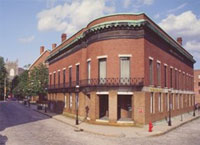
New England Quilt Museum New England Quilt Museum 18 Shattuck Street Lowell, Massachusetts 01852 General information 978-452-4207 Ext.15 Map www.nequiltmuseum.org Admission
The building is entirely handicap accessible with parking behind the museum. Hours May - October November - April THE MUSEUM IS CLOSED JULY 4, THANKSGIVING DAY AND CHRISTMAS DAY Between exhibitions the gallery will be closed for viewing but the museum shop will remain open. Winter Snow Policy: Check radio and TV listings. If the Lowell schools are closed the Museum is closed. In case of inclement weather the Museum may elect to close early. Please call before visiting. About the New England Quilt Museum Tours The New England Quilt Museum offers interactive tours for all ages. The only museum of its kind in the region, the museum is dedicated to all things quilting with:
Classes The museum offers a variety of classes throughout the year on quilting techniques for all interests and skill levels. Visit the website, or contact the shop for more information about classes. Library Quilting Resources at Your Fingertips The New England Quilt Museum Library is a self-supporting facility staffed entirely by volunteers. Our volunteers are available to research your questions on any aspect of quilting. We TRY to be on hand when the museum is open, but please call or e-mail us in advance before making a special trip to do research in the library. Everyone can visit the Library to:
Museum members can also:
Donate: Volunteer: Contact:
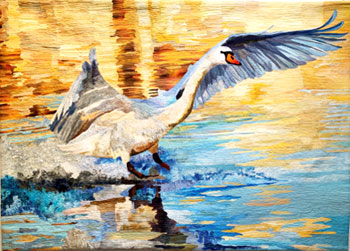
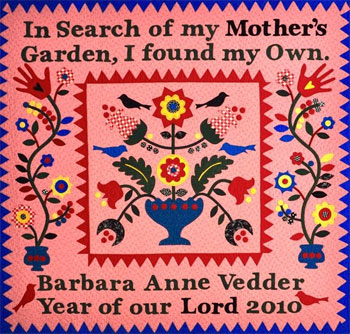
The museum collection today includes over 400 antique and contemporary quilts and tops, plus numerous related textile and sewing items, representing the history of American quiltmaking. The museum's first acquisition, commissioned by the New England Quilters Guild for New England Images I, was "Archipelago", a contemporary work made in 1983 by Nancy Halpern. In 1986, a second contemporary piece was commissioned by the Guild; "Bloodroot", made by Ruth McDowell, a two-sided, three-dimensional quilt that was ground breaking in both concept and execution. During the first four years of the museum's operations the number of acquisitions ranged from 8 to 19 antique quilts per year. The museum also collected quilt-related items: patterns, quilt tops and squares, sewing machines, and educational materials. The year 1991 was a memorable one for the New England Quilt Museum. Early that year, the museum received a gift of thirty-three quilts from the collection of Gail Binney and her father, the late Edwin Binney III which nearly doubled the museum's collection. The quilts were all antiques and the gift included many exceptional and unique pieces: mid-nineteenth century indigo and other blue quilts, bold Amish geometrics, and traditional patchwork and appliqué quilts. These fine quilts provided both breadth and depth to the museum's collection. Even in the early days of their collecting, Gail and her father believed that their quilts should be donated to an institution that would be able to share them with an appreciative public. The Binney family's commitment continues as each year Gail designates another quilt from her collection to be donated to the museum. In total, the family has donated over 50 quilts to the Museum since its founding, demonstrating significant and lasting support for the institution and to making quilt history accessible to a wide audience. The museum actively collects and preserves antique and contemporary quilts and quilt related items. The permanent collection ranges from whole cloth quilts made in the late 18th century to contemporary quilts made by highly regarded art quilters. A selection of quilts from the permanent collection is always on display in a gallery designated for the collection, in study storage, and in period rooms. The Museum has continued to be the recipient of donated quilts from generous individuals and families seeking to preserve their textile histories. The collection has also grown due to the generosity of New England quilt guilds that have given traditional quilts to our permanent collection, and donated quilts to be used as fundraisers to care for our antique quilts. The majority of the items in the Permanent Collection of the New England Quilt Museum were acquired through the generosity of donors. For information on donating quilts, quilt tops, or related textile and sewing items, email collections@nequiltmuseum.org or call 978-452-4207 ext.11. A few of the quilts from the collection are shown and described in our on-line gallery. Exhibitions FOR THE LOVE OF GAIA FLYING HIGH: Our Fine Feathered Friends Barb Vedder: My Life in Quilts SELECTIONS FROM THE NEQM COLLECTION: Tree Motifs from the 19th Century to Today |
|||||||||
|
|||||||||
| Support Your Local Galleries and Museums! They Are Economic Engines for Your Community.
Subscribe to Our Free Weekly Email Newsletter! |
|||||||||
| ADVERTISE ON THIS SITE | HOME | EXHIBITIONS | INDEX | ABOUT US | LINKS | CONTACT US | DONATE | SUBSCRIBE |
| Copyright 2022 Art Museum Touring.com |